Nigeria: Africa's Fastest-Growing Spirits Story, Handled With Care
Forecast growth near 14% a year and one of the world's youngest populations make Nigeria hard to ignore. Currency swings, new excise rates and illicit products mean brands need the right approach.

Nigeria is the growth story of African spirits. Statista values the market at about $443 million and forecasts growth of nearly 14% a year, the fastest of any market we cover. IWSR reports that spirits volumes grew 8% in 2025. With one of the youngest populations in the world and Lagos as a regional cultural capital, the long-term potential is enormous. So are the challenges.
What Nigerians are drinking
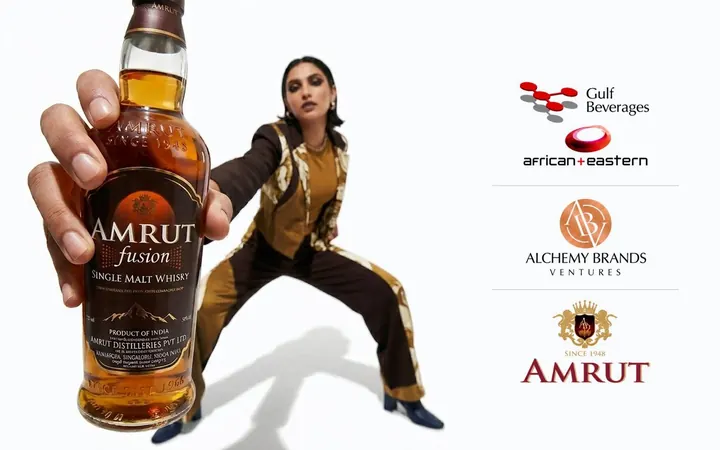
According to IWSR, growth in 2025 came from gin, bitters, cream liqueurs and whisky. Millennials are the key consumers. One trend stands out for whisky brands: Indian whisky is gaining momentum as consumers move away from blended Scotch in search of better value.
In other words, Nigerian consumers are not simply trading down. They are looking for quality they can justify at a given price, which is a real opportunity for independent brands with a strong price-to-quality ratio.
Currency and the big players
The sharp devaluation of the naira since 2023 has reshaped the market. Imported spirits became much more expensive in local currency, and multinationals adjusted. In 2024, Diageo sold its majority stake in Guinness Nigeria to the Tolaram group, citing an asset-light model after heavy foreign exchange losses. Guinness Nigeria keeps the rights to distribute brands such as Johnnie Walker, Singleton and Baileys under licence.
This reshuffle leaves space for agile importers and independent brands that can offer reliable supply and sensible pricing.
New excise rates in 2026
Nigeria has raised taxes on alcohol. Spirits such as whisky, brandy, vodka and rum now carry a 30% ad valorem excise plus a specific duty of ₦75 per litre in 2026, rising to ₦80 in 2027 and ₦85 in 2028. Pricing must factor in these steps from the start.
The illicit challenge
Illicit products are estimated at around 40% of spirits and wines sold in Nigeria, according to a 2024 Euromonitor survey: two in every five bottles. The estimated loss to the state is ₦428 billion a year. For legitimate brands, this makes trusted distribution, secure packaging and visible quality signals essential.
What it means for independent brands
- Lead with value, not just prestige. Well-made blends and single malts priced for the "affordable premium" tier fit the way Nigerians are buying today.
- Choose established, trusted distributors. Reliable partners protect the brand against counterfeits and grey imports.
- Build for the long term. Currency and tax changes will continue. Brands that stay committed through the cycle will own the market when purchasing power recovers.
- Use Nigeria as a West African base. Ghana and Côte d'Ivoire are natural next steps for brands that succeed in Lagos.
Figures: Statista market outlook (market value, growth); IWSR sub-Saharan Africa review (2025); Just Drinks (Guinness Nigeria, June 2024); Vinetur and Zikoko (2026 excise and illicit trade, citing Euromonitor).